
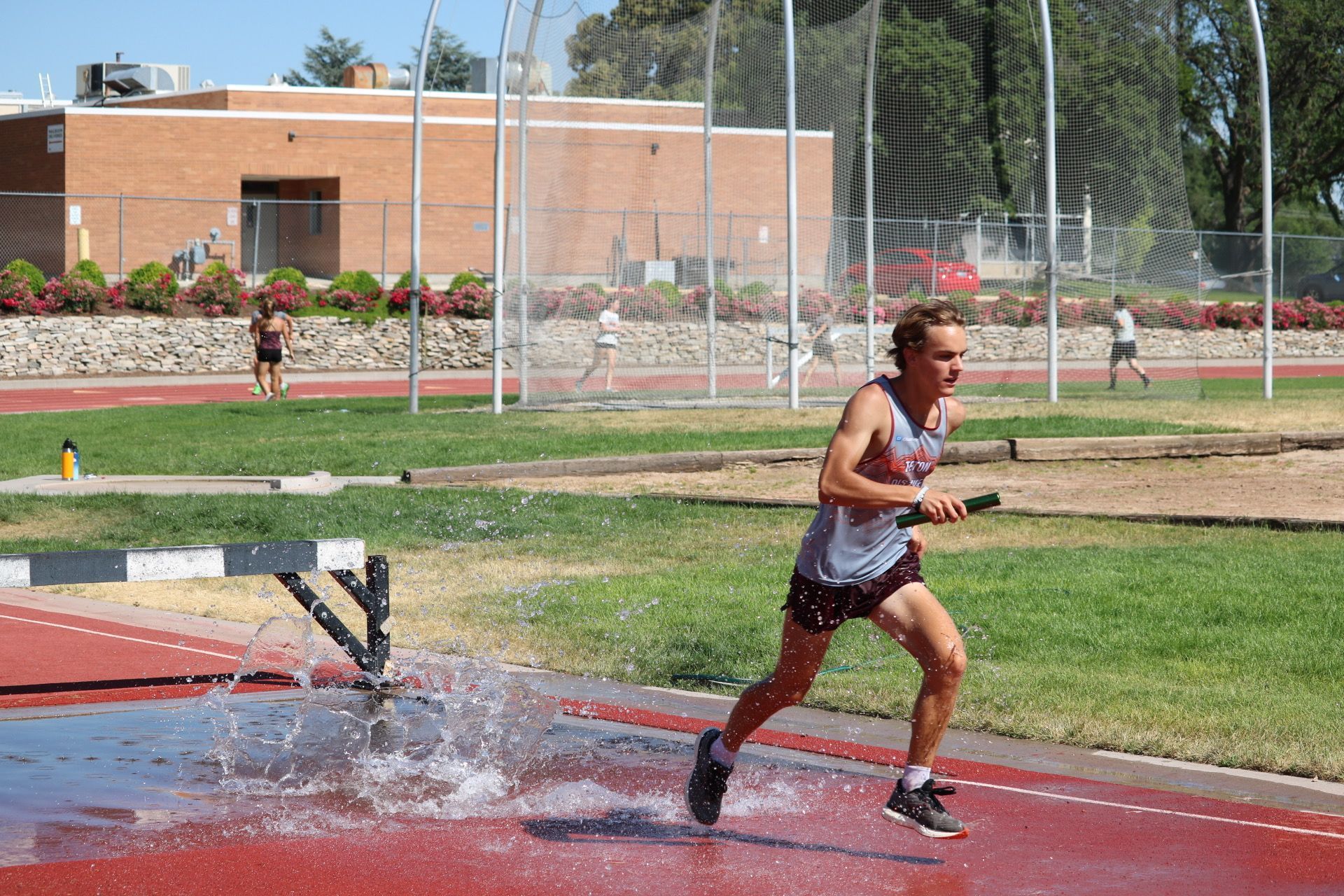
Faith and Focus: Conquering Pressure in Sports

March 7, 2025
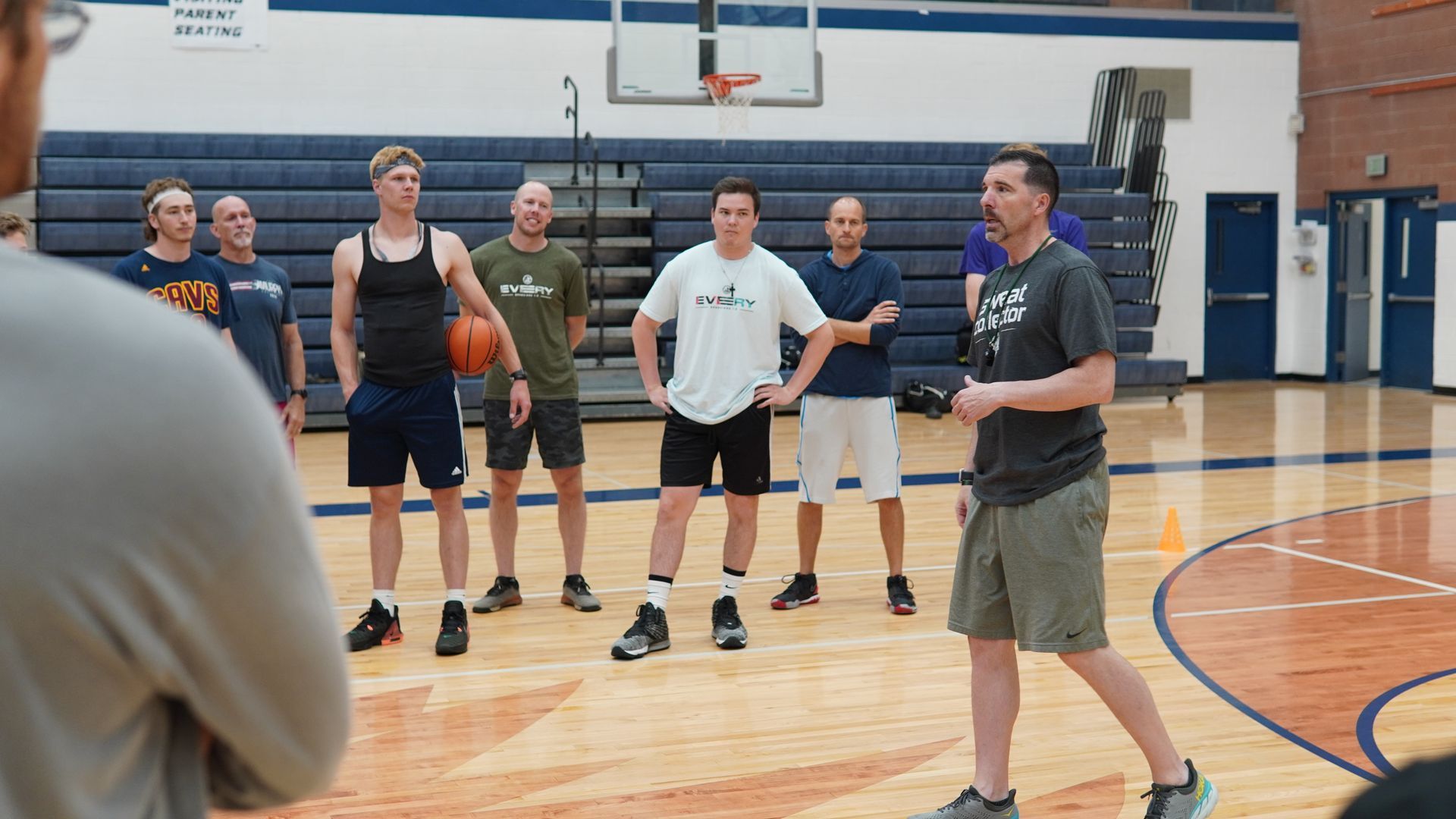
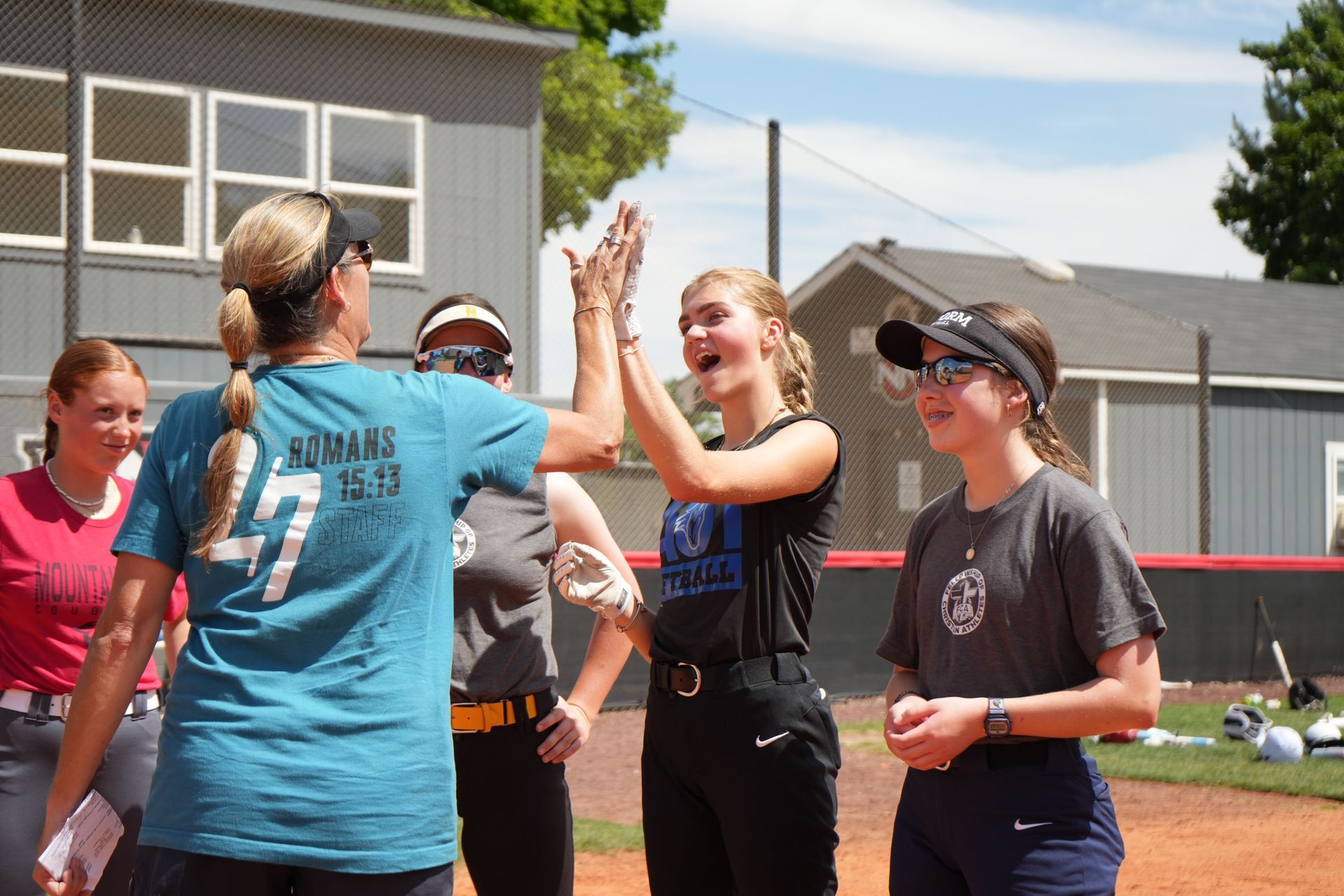
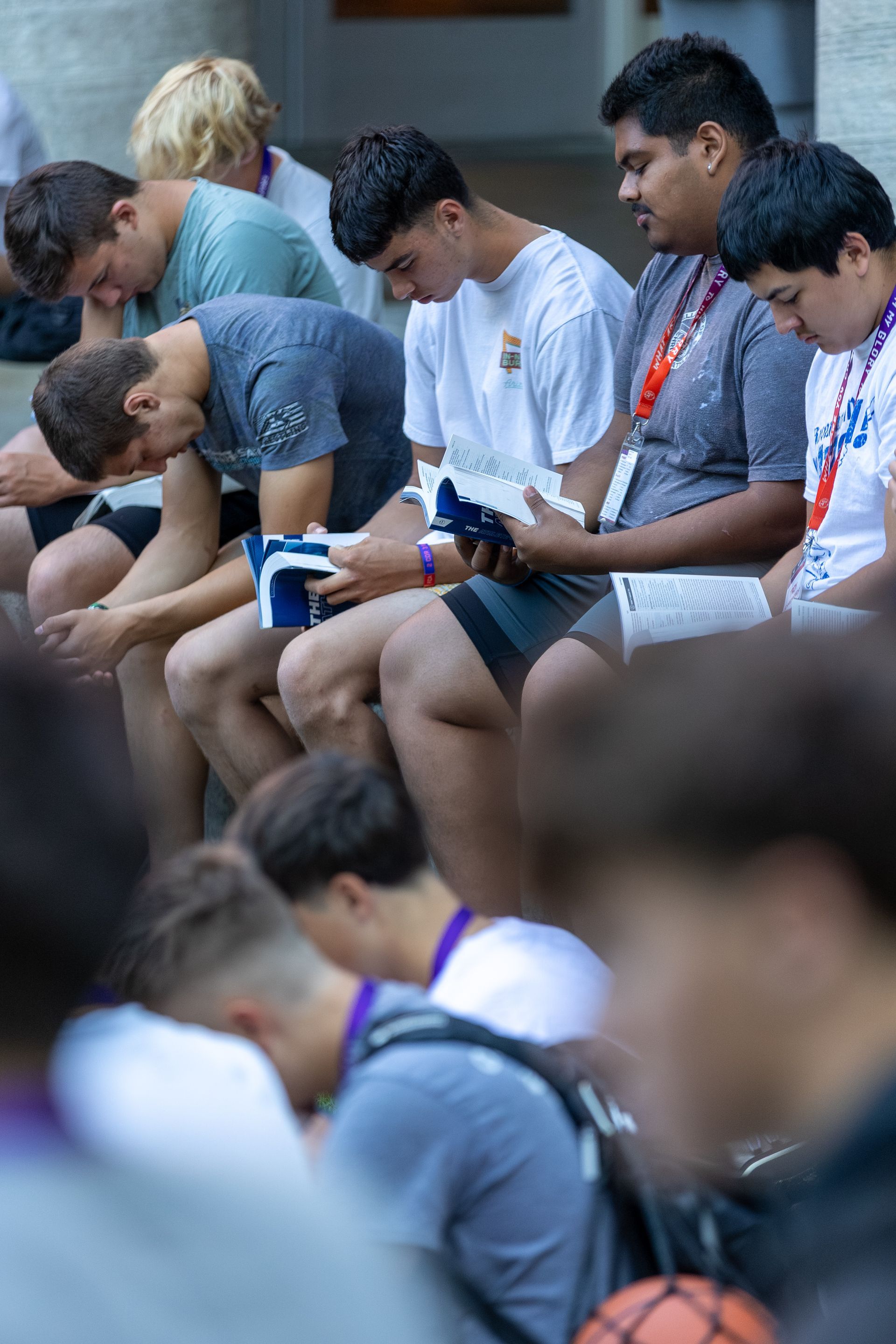
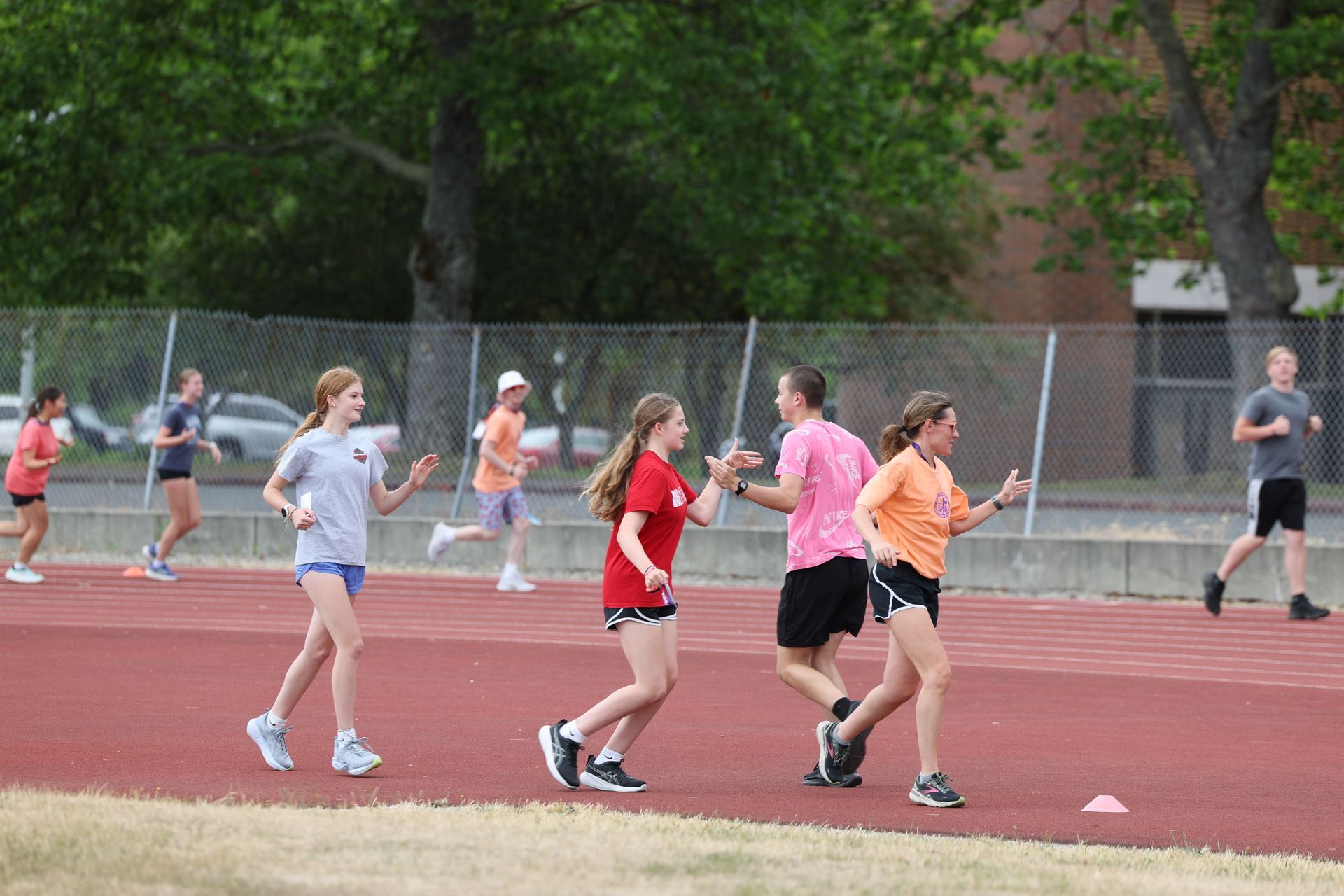
Christian Athletes at a Christian Sports camp together.

"I have set the Lord always before me. Because he is at my right hand, I will not be shaken." – Psalm 16:8


Every athlete faces pressure. Whether it’s the weight of expectations, the fear of failure, or the intensity of competition, the challenge is not just physical—it’s spiritual. As Christian athletes, we are called to handle pressure differently than the world does. Instead of letting anxiety control us, we fix our eyes on Christ, trusting that He is our source of strength and peace.


The Battle of the Mind: Trusting God Over Anxiety


Performance anxiety is real, but God’s Word reminds us that fear does not have the final say. Philippians 4:6-7 tells us, "Do not be anxious about anything, but in everything, through prayer and petition with thanksgiving, present your requests to God. And the peace of God, which surpasses all understanding, will guard your hearts and minds in Christ Jesus."

When nerves creep in before a big game, pause and pray. Take a deep breath and surrender your worries to God. Let His peace replace your fear. The more we train our minds to trust Him, the stronger our faith becomes, allowing us to play with confidence, knowing that our identity is not in our performance, but in Christ.


Faith Over Fear: Relying on God’s Strength


Pressure often tempts us to rely solely on our abilities, but Scripture teaches us to lean on God. Isaiah 41:10 reminds us, "Do not fear, for I am with you; do not be afraid, for I am your God. I will strengthen you; I will help you; I will hold on to you with my righteous right hand."

Athletes train their bodies to perform under pressure, but spiritual training is just as important. Just as we practice drills to improve our skills, we must also practice surrendering our stress to God. This looks like:

  • Daily Prayer – Asking God to prepare our hearts and minds for competition.
  • Scripture Meditation – Memorizing verses that remind us of God’s presence.
  • Team Fellowship – Surrounding ourselves with others who encourage us in faith.

When we rely on God rather than ourselves, we experience His peace and power working through us.


Competing for God’s Glory, Not the World’s Approval


It’s easy to fall into the trap of seeking validation through wins and personal achievements. But as Christian athletes, we play for an audience of One. Colossians 3:23 tells us, "Whatever you do, do it from the heart, as something done for the Lord and not for people."

When we shift our mindset from performing for others to glorifying God, the pressure lessens. Our worth isn’t tied to our stats, our playing time, or the scoreboard—it’s found in Christ alone. Winning is great, but honoring God in how we compete is far greater.


Practical Strategies to Handle Pressure


Athletes can integrate faith into their game by using practical, God-centered strategies:

  • Pre-Game Prayer – Take a moment to dedicate your competition to God, asking Him to help you reflect His character.
  • Breath and Scripture – When feeling overwhelmed, breathe deeply and repeat a verse like Psalm 46:10: "Be still and know that I am God."
  • Encourage Others – Shift your focus from yourself to your teammates. Serving and uplifting others takes the pressure off and redirects it toward a Kingdom mindset.
  • Trust the Process – Know that every game—win or lose—is part of God’s bigger plan for your growth.

Running the Race with Endurance


Sports teach perseverance, but the ultimate endurance race is our faith journey. Hebrews 12:1-2 encourages us: "Let us run with endurance the race that lies before us, keeping our eyes on Jesus, the pioneer and perfecter of our faith."

No matter what pressures come your way, keep your focus on Christ. When you step onto the field, court, or track, remember: you are not alone. God is with you, strengthening you, guiding you, and reminding you that your identity is secure in Him.


Reflection Questions:


  1. What areas of your athletic journey cause you the most anxiety? How can you surrender them to God?
  2. How can you remind yourself to play for God’s glory rather than for the approval of others?
  3. What Bible verses can you memorize to help you stay focused on faith during high-pressure moments?

Let’s step into competition with faith over fear, confidence over doubt, and Christ over all. Because in Him, we will not be shaken.


Recent Articles
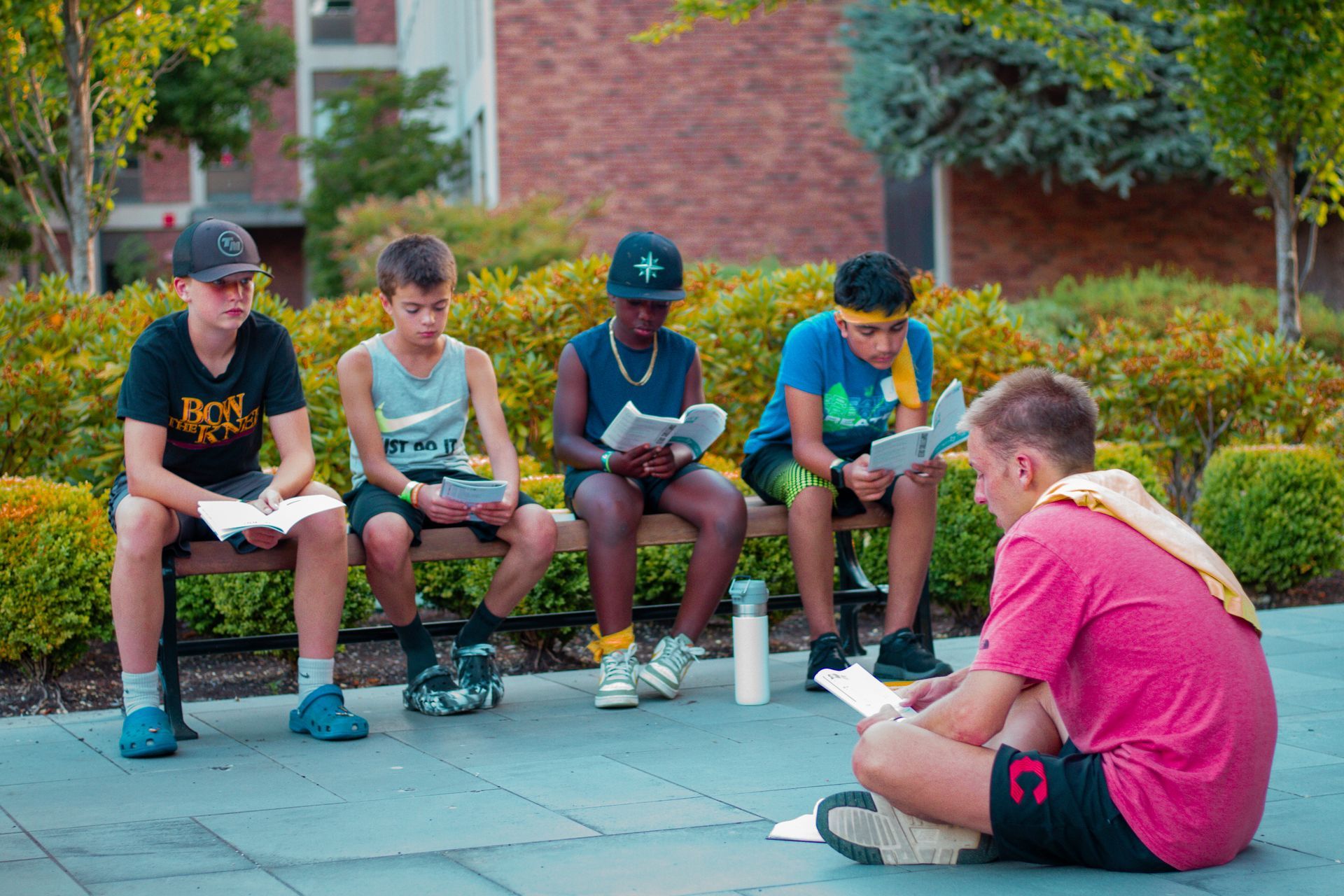
May 4, 2026
You don't have to prove yourself. Learn why your identity in Christ matters more than your performance—and how that changes everything about how you compete.
May 4, 2026
Your daughter comes home from practice and you ask the first question that comes to mind: "How was your game?" She shrugs. Gives you the stats. Maybe mentions a mistake. Then she's scrolling, already thinking about the next thing. And you're left wondering: Is this all there is? Wins, losses, playing time, stats? Here's what many parents miss during the summer season: the best thing you can do for your athlete isn't about their performance at all. It's about their formation. The Summer Is a Window, Not Just a Season Summer sports have a strange power. They're less pressured than fall ball. Less structured than regular seasons. There's room to breathe. And in that breathing room, something unexpected happens — your athlete becomes more themselves, not less. The intensity drops. The masks come off a bit. You see who they are when they're not performing for a crowd. This is the gift of summer. It's a window into their heart. And if you're paying attention, you can use it. Proverbs 22:6 says, "Train up a child in the way he should go; even when he is old, he will not depart from it." The word "train" here doesn't mean drilling skills. It means formation — shaping the whole person, not just the athlete. Summer is your best season for that kind of work. What Sports Culture Tells You to Do (and Why It's Backwards) Sports culture has a loud voice. It whispers constantly: Get them in front of scouts now. They need the right travel team. Summer is where reputations are built. Every workout matters for recruiting. And some of that is true. But it's also incomplete. When you lead with that mentality, you're optimizing for one thing: external success. Rankings. Recognition. Advancement. And your athlete feels it. They feel the pressure to perform, even in summer. They start tying their identity to their stats. They begin measuring their worth by whether they got noticed. That's not formation. That's formation in the wrong direction. What Your Athlete Actually Needs Right Now Here's what your kid needs this summer — what will actually shape them for life: 1. To know they are loved apart from performance. This is the foundation. Not when they play well. Not if they make the team. Just... loved. Colossians 3:23–24 reminds us to work as if serving the Lord, not people. But that only lands if your athlete knows first that their worth doesn't depend on their work. Spend time with them about sports. Ask about their effort, their character, how they treated teammates. Not just results. 2. To experience spiritual formation, not just athletic development. Summer camps like ours aren't just about learning volleyball skills or getting faster. They're about learning who you are in Christ when nobody's keeping score. When your athlete is surrounded by coaches and peers who are intentionally discipling them — teaching them that their identity is in Christ, not in performance — something shifts. They begin to measure themselves by a different standard. 3. To see you modeling what matters. Your reaction to their games teaches them what you actually believe matters. Do you explode over a loss? Do you pressure them about playing time? Do you talk more about stats than character? Or do you stay steady? Do you ask about their effort and integrity? Do you celebrate growth? Matthew 6:21 says where your treasure is, your heart will be also. Your athlete watches where you're looking. The Specific Things You Can Do Right Now Have real conversations. Not "How was your game?" Ask: "What did you learn about yourself today?" "Who did you encourage?" "When was it hard to stay positive?" Let them choose their path. Summer is a great time to let them try something new, or step back from something that's become too much. Discernment matters more than filling every slot. Point them toward God. Not church. Not general "faith talk." Real, specific: "That situation reminded me of Psalm 27:14. Want to read it together?" Attend something intentional together. Like FCA Camp Seattle (July 27–31 at SPU). Not to get them noticed. To get them formed. To surround them with peers and coaches who are speaking the same language about identity, purpose, and faith. Why Camp Matters (Especially This Summer) We're not selling you on camp because it looks good on a resume. We're inviting you to camp because it works. When your athlete spends four days surrounded by other young athletes who are learning that their identity is in Christ — not in their performance — something happens. The pressure lifts. They breathe. And in that space, they start to understand themselves differently. They hear coaches teach the Proven theme: You don't have to prove anything. Jesus has proven it all. Not as a nice motivational talk, but as something that actually applies to them, right now, in their sport and their life. They experience what it means to be part of a community where faith isn't separate from sports. It's woven through everything. And they come home different. Not always visibly. But internally — more settled in who they are. More confident not because they played well, but because they know they matter. That's the formation I'm talking about. The Scorecard That Actually Matters This summer, keep a different kind of scorecard. Not wins and losses. Ask yourself: Is my athlete growing in confidence that comes from God, not from performance? Are they learning to encourage others, or just focus on themselves? Do they understand that effort matters regardless of results? Are they seeing me model what I'm teaching them? Do they have peers and mentors who are speaking truth into their life? If the answer is yes to those, the summer was a success. The wins are a bonus. One More Thing Your athlete has limited summers before college, before life, before the real world starts demanding things from them. These years are precious, not because of what they accomplish, but because of who they're becoming. Don't miss the window. This summer, choose formation over performance. Choose identity over stats. Choose to be the parent who shapes their heart, not just their game. And consider bringing them to FCA Camp Seattle (July 27–31). We're not just teaching volleyball, football, soccer, track, and the rest. We're teaching them who they are in Christ. And that changes everything. Resources: FCA Camp Seattle — Register Now Proven Theme Series AWAY Game Series (Parent Resource)
March 18, 2026
Redirecting Disappointment: Helping Kids See God’s Plan in Losses “We know that all things work together for the good of those who love God, who are called according to his purpose.” — Romans 8:28 Losses are an inevitable part of sports, but for young Christian athletes, these moments are opportunities to grow in character and faith . Disappointment stings, whether it comes from a tough defeat, a missed play, or the feeling of letting down a team. Yet, God invites us to see beyond the immediate pain and trust His greater plan. For parents, guiding children through these moments with biblical wisdom is essential, shaping them not only as athletes but also as disciples of Christ. Understanding the Role of Faith in Sports Faith is the foundation that helps young athletes navigate both victories and defeats. Colossians 3:17 reminds us, “And whatever you do, in word or in deed, do everything in the name of the Lord Jesus, giving thanks to God the Father through him.” When children understand that their worth is not defined by their performance but by their identity in Christ, losses no longer have the final word. Encouraging kids to pray before and after games teaches them to depend on God regardless of outcomes . These habits remind them that sports are not just about winning, but about glorifying God through effort, attitude, and integrity. Building Mental Resilience in Young Athletes Disappointment is difficult, but it also builds resilience. James 1:2–3 teaches, “Consider it a great joy, my brothers and sisters, whenever you experience various trials, because you know that the testing of your faith produces endurance.” Losses test athletes, but through those moments, God shapes endurance and character. Parents can help their children by teaching practical tools: Focusing on effort over outcome —remind them they can always control their attitude and work ethic. Encouraging reflection —after games, discuss what went well and what can improve, focusing on growth. Modeling resilience —show children how you personally handle setbacks with faith and perseverance. Over time, these practices help athletes see that losses are not failures but steps toward spiritual and personal growth. Navigating Loss: Teaching Valuable Life Lessons It’s natural for children to feel sad after a defeat, but parents can use these moments to teach lasting lessons. Allow kids to express their emotions, then gently guide them toward God’s truth. Psalm 34:18 says, “The Lord is near the brokenhearted; he saves those crushed in spirit.” Remind your child that God is close to them, even in disappointment. Encouraging reflection can also be powerful. Ask questions like: What did you learn from this game? How did you see God at work in your effort or attitude? These conversations shift the focus from failure to faith, helping children connect the lessons of sports to the bigger picture of God’s plan. Instilling Values Through Sports Experiences Sports offer more than competition—they provide a stage for values like humility, teamwork, and sportsmanship. Philippians 2:3–4 exhorts us, “Do nothing out of selfish ambition or conceit, but in humility consider others as more important than yourselves. Everyone should look not to his own interests, but rather to the interests of others.”  Parents can reinforce this by: Celebrating teammates’ successes, not just individual performance. Modeling grace in how they speak to coaches, referees, and other parents. Reminding kids that respect for opponents and humility in both victory and defeat honors Christ. When children learn that their conduct matters more than the scoreboard, they grow in wisdom and character. Encouraging a Supportive Community Raising young athletes is not meant to be done alone. Hebrews 10:24–25 encourages us, “And let us consider one another in order to provoke love and good works, not neglecting to gather together… but encouraging each other.” Surrounding your child with a supportive faith community provides strength in both wins and losses. Church groups, FCA huddles, and Christian mentors can help reinforce biblical values learned at home. Parents who intentionally connect their children to these communities provide a network of encouragement that helps kids see they are never alone in their faith journey. Parent’s Heart Check Do I model how to handle disappointment with grace and faith? Am I pointing my child to their identity in Christ rather than their performance? How can I encourage resilience and perseverance in my child’s athletic journey? Am I helping create a community of faith that supports my child in both wins and losses? Embracing God’s Plan in Every Season Redirecting disappointment is not about ignoring the pain of loss but about helping kids see beyond it. Romans 8:28 reminds us that God works all things—even losses—for the good of those who love Him. As parents, we have the privilege of guiding our children toward this truth, teaching them to see sports as more than competition . They are opportunities for discipleship, character growth, and faith in action. When young athletes learn to view disappointment through a biblical lens, they discover resilience and hope that extend far beyond the playing field. By pointing them to God’s greater plan, parents help their children see that every loss is a step toward something bigger—an unshakable faith in Christ.
March 12, 2026
Finishing the Season Faithfully: Persevering in Coaching and Calling “Let us not get tired of doing good, for we will reap at the proper time if we don’t give up.” — Galatians 6:9 The end of a season can feel both exhausting and rewarding for a coach. Wins and losses are tallied, but what remains are the lives impacted. For Christian coaches, finishing a season is about more than completing a schedule—it’s about remaining faithful to God’s calling, persevering through challenges, and nurturing athletes to grow both in skill and in spirit. Coaching young Christian athletes requires perseverance rooted in faith , because every moment invested in these athletes plants seeds that can bear eternal fruit. The Heart of Coaching: Nurturing Young Lives Coaching is never just about teaching skills—it is about shaping lives. Every drill, practice, and game is an opportunity to instill values like teamwork, discipline, and resilience. Proverbs 22:6 reminds us, “Start a youth out on his way; even when he grows old he will not depart from it.” Coaches leave a lasting imprint, one that influences character and faith long after the season ends. For Christian coaches, this means making sure athletes understand their abilities are gifts from God. When young athletes approach competition with humility and gratitude , they develop both as players and as disciples of Christ. In this way, coaching becomes ministry—an extension of God’s work in the lives of the next generation. Faith as the Foundation of Coaching Sports can easily become about performance, but faith provides deeper meaning. Colossians 3:23 urges us, “Whatever you do, do it from the heart, as something done for the Lord and not for people.” When athletes see sports as a way to glorify God, they gain perspective that frees them from the burden of seeking only human approval. Prayer before games, Scripture reflections during practice, and conversations about God’s purpose in competition all help athletes connect their faith to sports. This perspective strengthens resilience: when athletes face setbacks, they are reminded their identity is rooted in Christ, not in statistics or trophies. Persevering Through Challenges Every coach knows the struggles that come with a season—balancing diverse skill levels, managing parental expectations, or enduring losing streaks. These challenges can be draining, but perseverance in faith helps coaches endure. James 1:12 says, “Blessed is the one who endures trials, because when he has stood the test he will receive the crown of life that God has promised to those who love him.” Faith allows coaches to model endurance for their athletes. By staying positive, keeping focus on growth rather than just outcomes, and remaining faithful even in hard moments, coaches show athletes how to trust God in the middle of trials. That example becomes a living testimony of perseverance. Mentorship Beyond the Field Coaching extends far beyond practices and games. Young athletes face pressures from academics, peer relationships, and identity struggles. Coaches are often placed in a unique position to mentor beyond the field. Galatians 6:2 encourages, “Carry one another’s burdens; in this way you will fulfill the law of Christ.” Listening, encouraging, and guiding athletes spiritually can change the trajectory of their lives. Practical mentorship might look like helping athletes set life goals, checking in about their personal struggles, or encouraging them to serve in their communities. By intentionally mentoring with a biblical foundation, coaches help athletes develop not just as players, but as leaders and faithful followers of Christ. Leading by Example Through Faith Team culture flows from leadership. Coaches who demonstrate humility, integrity, and compassion create teams that reflect those same values. Philippians 2:3–4 calls us, “Do nothing out of selfish ambition or conceit, but in humility consider others as more important than yourselves. Everyone should look not to his own interests, but rather to the interests of others.” Faith-based leadership means coaching with a servant’s heart. It means prioritizing the growth of athletes over personal recognition. When coaches live this way, they inspire athletes to do the same, creating a culture of encouragement, respect, and spiritual growth. Empowering Athletes for Lifelong Impact Seasons eventually end, but the lessons learned last a lifetime. Coaches who integrate faith into sports equip their athletes for both present competition and future life challenges. 2 Timothy 4:7 reflects the call to perseverance: “I have fought the good fight, I have finished the race, I have kept the faith.” Christian coaches are called to the same—to finish each season faithfully, trusting that the seeds they plant will continue to grow. By empowering athletes with spiritual and personal growth, coaches prepare them to face life’s pressures with confidence rooted in Christ. Sports become not just about performance, but about preparing young men and women to glorify God in every arena of life. Coach’s Heart Check Am I persevering in my calling even when results don’t meet expectations? Do I intentionally integrate faith into my coaching practices? Am I mentoring athletes beyond the field, caring for their hearts as well as their skills? Does my leadership style reflect humility, integrity, and service? Finishing Faithfully At the end of every season, wins and losses fade, but faith and character remain. Coaching is more than a role—it is a calling. Coaches who persevere with faith, humility, and love make an eternal impact. Galatians 6:9 reminds us not to grow weary, because in God’s timing, the harvest will come. By finishing faithfully, coaches reflect Christ and help athletes see that sports are more than games—they are opportunities to grow in godliness and glorify the Lord.
February 26, 2026
Staying Joyful When You’re Benched: Trusting God’s Timing “Consider it a great joy, my brothers and sisters, whenever you experience various trials, because you know that the testing of your faith produces endurance.” — James 1:2–3 In sports, nothing feels quite as discouraging as being benched. Whether due to injury, performance, or simply a coach’s decision, sitting on the sidelines can leave young athletes questioning their value, their abilities, and even their identity. For Christian athletes, these moments of waiting are more than just frustrating pauses—they are opportunities to deepen faith, grow in character , and trust in God’s timing. Embracing the Wait with Faith Being benched can stir feelings of disappointment, self-doubt, or frustration. Many athletes tie their worth to performance, but God reminds us that our value is rooted in Christ, not the scoreboard. Psalm 27:14 calls us to, “Wait for the Lord; be strong, and let your heart be courageous. Wait for the Lord.” Waiting is not wasted—it is preparation. Times on the bench are God’s way of shaping endurance, humility, and reliance on Him . Rather than focusing on what you can’t do in the moment, embrace the wait as a chance to grow spiritually. Use the extra time to pray more deeply, dive into Scripture, and strengthen your trust in the Lord’s plan. Waiting doesn’t mean doing nothing—it means preparing faithfully for what God has next. Building Endurance Through Adversity Setbacks like bench time can become spiritual training grounds. Just as athletes build strength through resistance in the gym, faith is strengthened through life’s challenges. Romans 5:3–4 reminds us, “We boast in our afflictions, because we know that affliction produces endurance, endurance produces proven character, and proven character produces hope.” Endurance developed on the sidelines helps athletes handle future challenges with grace. When you learn to lean on Christ in disappointment, you become stronger, more resilient, and better prepared to glorify God whether on the field or off it. Instead of seeing adversity as an obstacle, view it as an opportunity for God to grow something greater in you. Trusting God’s Perfect Timing Every athlete wants immediate results—more playing time, a faster recovery, a chance to prove themselves. But Ecclesiastes 3:1 reminds us, “There is an occasion for everything, and a time for every activity under heaven.” God’s plan unfolds in His perfect timing, not ours. The bench might be God’s way of protecting you, redirecting your focus, or preparing you for something better than you imagined. Joseph’s story in Genesis is a powerful reminder of trusting God’s timing. Though he faced betrayal, imprisonment, and waiting, God used each season to prepare him for leadership. In the same way, your bench time can prepare you for greater influence and opportunities in both sports and life. Turning Setbacks into Opportunities Being sidelined provides space for growth that might not happen otherwise. Use this time to sharpen your mental game, study plays, encourage teammates, or build leadership skills. These efforts show that your influence extends beyond performance. Philippians 2:4 teaches, “Everyone should look not to his own interests, but rather to the interests of others.” Even from the bench, you can model Christlike service by cheering others on and helping the team succeed. Set new goals that focus on character and leadership rather than just athletic performance. For example, commit to praying for your teammates, practicing gratitude, or becoming a source of encouragement during games. These small choices will build lasting impact and help you see the bench as a platform for ministry. Finding Joy Beyond the Game While sports are an important part of life, they are not the ultimate source of joy. True joy comes from knowing Christ. Habakkuk 3:17–18 declares, “Though the fig tree does not bud and there is no fruit on the vines… yet I will celebrate in the Lord; I will rejoice in the God of my salvation!” Even when the scoreboard doesn’t reflect what you hoped for—or when you don’t even step on the field—you can rejoice in the unshakable truth that God is with you. Explore interests and gifts outside of athletics to remind yourself that your identity is multidimensional. Whether it’s academics, serving in your church, or building relationships, each area can point back to God’s glory and strengthen your character for the future. Athlete’s Heart Check Am I trusting God’s timing when I feel overlooked or discouraged? Do I look for ways to serve and encourage my teammates even when I’m not playing? How am I using my bench time to grow spiritually and mentally? Am I finding joy in Christ rather than depending on sports for happiness? Growing Joy on the Sidelines Being benched is never easy, but it is never wasted. God uses every season—even the ones on the sidelines—to shape you into who He’s calling you to be. James 1:2–3 reminds us that trials are not punishments but opportunities to build endurance and faith. When you embrace the bench as part of God’s greater plan, you find freedom from frustration and discover joy rooted in Christ alone. So the next time you find yourself on the sidelines, remember this: your value is not in your playing time but in your identity as a child of God . Trust His timing, serve faithfully where you are, and rejoice in the truth that every moment—on or off the field—is an opportunity to glorify Him.
February 19, 2026
Planting Seeds of Faith in Athletes Who Don’t Yet Believe “I planted, Apollos watered, but God gave the growth.” — 1 Corinthians 3:6 In the fast-paced world of youth sports, competition often takes priority over character. But for Christian coaches, the mission extends beyond teaching drills and strategies. It includes planting seeds of faith in athletes who may not yet know Christ. Coaching becomes a ministry when you intentionally point athletes toward the hope and truth found in God’s Word . Even small seeds—an encouraging word, a prayer, or a Scripture shared—can grow into a lasting faith that transforms lives. The Role of Coaches in Shaping Young Athletes Coaches hold tremendous influence in the lives of their players. Proverbs 22:6 says, “Start a youth out on his way; even when he grows old he will not depart from it.” Beyond teaching skills, coaches shape athletes’ character, work ethic, and values. By modeling humility, integrity, and perseverance, you demonstrate that faith is not separate from sports but is woven into every practice and game. When coaches embody Christlike leadership, they become role models whose example may speak louder than words . Athletes often mirror their mentors, meaning a coach’s patience, prayerfulness, and encouragement can plant spiritual seeds that take root in time. Integrating Faith into Athletic Practices Faith can be gently introduced into everyday coaching moments. Prayer before or after practice reminds athletes that their efforts are about more than winning. A brief devotional or a verse shared at the start of training connects Scripture to real challenges on the field. Isaiah 40:31 assures us, “But those who trust in the Lord will renew their strength; they will soar on wings like eagles; they will run and not become weary, they will walk and not faint.” Reminding athletes of this promise shows them that faith is a source of endurance in both sports and life. Practical ways to integrate faith include: Sharing personal testimonies of how God has shaped your journey. Relating biblical stories to perseverance, teamwork, and courage. Encouraging athletes to reflect on gratitude after games, win or lose. Even athletes who don’t yet believe will notice these practices, and over time, curiosity may lead them to deeper conversations about faith. Encouraging Spiritual Growth On and Off the Field Winning is temporary, but character shaped by faith lasts. Romans 5:3–4 says, “We boast in our afflictions, because we know that affliction produces endurance, endurance produces proven character, and proven character produces hope.” Teaching athletes to respond to challenges with integrity and humility helps them see sports as more than competition—it becomes discipleship. When athletes face setbacks, remind them that God works through trials. Share stories of biblical figures like Joseph, who endured betrayal but trusted God’s plan, or Paul, who found strength in weakness through Christ. These stories connect directly to the struggles athletes face: disappointment, injury, or discouragement. By encouraging them to lean on faith in hard times, you help them discover resilience rooted in Christ. Creating a Culture of Faith in Sports A faith-centered team culture doesn’t happen by accident—it must be cultivated. Colossians 3:16 encourages us, “Let the word of Christ dwell richly among you, in all wisdom teaching and admonishing one another.” This can be lived out through intentional acts of discipleship: hosting team devotionals, encouraging prayer partnerships among players, or creating space for athletes to share their stories. Involving parents and the wider community further strengthens this culture. Hosting parent-coach meetings that emphasize spiritual development, partnering with local churches, or inviting guest speakers to share testimonies helps reinforce that faith is central to the athletic experience. Athletes see a consistent message when faith is modeled not just by coaches but by their community. Overcoming Resistance with Patience and Love Not every athlete will be open to discussions of faith. Some may resist or question the role of God in sports. In these moments, patience and love are essential. 1 Peter 3:15 encourages believers, “But in your hearts regard Christ the Lord as holy, ready at any time to give a defense to anyone who asks you for a reason for the hope that is in you.” Coaches are not called to pressure or force belief, but to gently witness to Christ through actions and words. Listening first, building trust, and showing Christlike love creates opportunities for future conversations. Sometimes the most powerful witness is consistency—a coach who continues to love, support, and pray even when athletes are not yet ready to believe. Nurturing Faith Through Mentorship and Community Mentorship is a powerful way to guide athletes toward faith. Ecclesiastes 4:9–10 reminds us, “Two are better than one because they have a good reward for their efforts. For if either falls, his companion can lift him up.” Coaches can connect athletes with faith-filled mentors, older players, or FCA staff who can walk alongside them spiritually. Community also strengthens faith. Team devotionals, FCA huddles, and Christian sports camps give athletes environments where faith and sports intersect naturally. When surrounded by peers who model Christlike behavior, even non-believing athletes begin to see the difference faith makes in daily life. Coach’s Heart Check Am I modeling Christlike humility, patience, and integrity for my athletes? Do I integrate Scripture and prayer into practices in ways that point athletes to God? How do I respond when athletes resist conversations about faith? Am I building partnerships with parents and communities to reinforce faith in sports? Sowing Seeds, Trusting God for the Growth As a coach, your role is to plant seeds of faith , not to guarantee growth. Transformation belongs to God. Galatians 6:9 encourages us, “Let us not get tired of doing good, for we will reap at the proper time if we don’t give up.” Your prayers, words, and example may seem small, but in God’s timing, they can bear eternal fruit. Ultimately, the call of a Christian coach is to disciple through sports—to shape athletes’ lives with lessons that go beyond the scoreboard. Some athletes may believe right away, while others may take years to see the truth of the gospel. But every moment of Christlike leadership makes a difference. By listening, loving, and faithfully pointing to Christ, you plant seeds that God can grow into a harvest of faith.
February 18, 2026
Encouraging Prayer Habits for Your Young Athlete “Pray constantly.” — 1 Thessalonians 5:17 Pressure to perform can often overshadow what truly matters. For Christian parents, guiding your child to cultivate a prayer life alongside their athletic journey is one of the greatest gifts you can offer. Prayer not only deepens their relationship with God but also equips them with resilience, peace, and perspective that go far beyond the playing field. Encouraging meaningful prayer habits allows young athletes to anchor their identity in Christ, no matter the outcome of a game. The Role of Faith in Youth Sports Sports often bring challenges such as performance anxiety, competition, and comparison. Faith grounds young athletes, helping them to see their talents as gifts from God rather than measures of self-worth. Philippians 4:6 reminds us, “Don’t worry about anything, but in everything, through prayer and petition with thanksgiving, present your requests to God.” Prayer shifts the focus from fear to faith, reminding athletes that God is with them in every practice and competition. Parents can reinforce this truth by reminding children that their identity rests not in the scoreboard, but in Christ. Encouraging them to pray before, during, and after games helps them see that every moment is an opportunity to worship God through their efforts. Creating a Prayer-Friendly Environment at Home Prayer thrives in an environment where it is valued. Parents can model this by making prayer a natural part of daily routines. Setting aside moments to pray before meals, at bedtime, or on the way to practices helps normalize prayer as an ongoing conversation with God.  Joshua 24:15 declares, “As for me and my family, we will worship the Lord.” When prayer is woven into family life, children learn that faith is not confined to Sundays but permeates every aspect of their journey—including athletics. Practical ways to foster this environment include: Praying together before games, asking for courage, humility, and safety. Encouraging your child to pray privately about challenges they face in sports. Keeping a family prayer journal to record answered prayers and God’s faithfulness. Practical Prayer Techniques for Young Athletes Helping children learn practical prayer models makes prayer approachable. One method is the ACTS model—Adoration, Confession, Thanksgiving, and Supplication. This gives structure while keeping prayer personal. For instance, a young athlete might pray: Adoration: “God, You are my strength and provider.” Confession: “I was frustrated with my teammates today, please forgive me.” Thanksgiving: “Thank You for the chance to play this sport and for my teammates.” Supplication: “Help me to have courage in the next game and play for Your glory.” Encouraging your child to write down prayers or keep a journal builds reflection and gratitude. Over time, this habit helps them recognize how God is working in their lives. Encouraging Group Prayer and Team Unity Prayer also unites teams. Matthew 18:20 reminds us, “For where two or three are gathered together in my name, I am there among them.” Praying together before games fosters encouragement, humility, and dependence on God. Group prayer reminds athletes that they are part of something bigger than themselves—a community of faith. Parents can encourage their children to be leaders in initiating prayer huddles, thanking God after games, or praying with teammates who are injured or discouraged. These practices not only strengthen bonds but also serve as a witness of Christ’s love to others. Overcoming Challenges in Building Prayer Habits Some children may feel shy, uncertain, or even resistant to prayer. Others may question its impact. Parents can lovingly guide them by modeling consistency and authenticity. Deuteronomy 6:6–7 instructs, “These words that I am giving you today are to be in your heart. Repeat them to your children. Talk about them when you sit in your house and when you walk along the road, when you lie down and when you get up.” Sharing personal testimonies of how prayer has impacted your life, or pointing out specific times God has answered prayers, can help children see the reality of God’s faithfulness. Gentle encouragement, rather than pressure, builds an environment where prayer becomes a joy rather than an obligation. Partnering with Community and Mentorship Parents don’t have to nurture prayer habits alone. Involvement in organizations like FCA provides athletes with mentors, devotionals, and opportunities to grow spiritually with peers. Ecclesiastes 4:9–10 reminds us, “Two are better than one because they have a good reward for their efforts. For if either falls, his companion can lift him up.” A supportive faith community reinforces what parents are teaching at home. Team devotionals, youth groups, and camps are valuable places for children to practice prayer in community and build confidence in their faith. Parent’s Heart Check Am I modeling consistent and authentic prayer in my own life? Do I encourage my child to bring both victories and struggles to God in prayer? How can I create opportunities for my child to pray privately and with others? Am I connecting my child with mentors or communities that nurture prayer habits? Anchoring Athletes in Prayer Prayer habits built in childhood become anchors in adulthood. Teaching your young athlete to pray equips them with tools to handle pressure, celebrate victories, and endure challenges with faith. As they learn to depend on God in every circumstance, they will discover that prayer is not only preparation for the game but also preparation for life . Philippians 4:13 reminds us, “I am able to do all things through him who strengthens me.” With a strong prayer foundation, young athletes can play with confidence, humility, and peace—knowing they are never alone on the field, because the Lord is always with them.
February 16, 2026
The Silent Coach: Listening First, Speaking Later “My dear brothers and sisters, understand this: Everyone should be quick to listen, slow to speak, and slow to anger.” — James 1:19 In today’s sports culture, coaches often feel pressured to constantly instruct, correct, and motivate. Yet sometimes the most powerful tool a coach can use is not their voice, but their ears. The concept of the “Silent Coach” emphasizes listening first and speaking later—an approach that not only strengthens relationships with athletes but also aligns with biblical wisdom. For young Christian athletes, this kind of coaching models Christlike humility and helps them grow both in their sport and in their faith. The Power of Listening in Coaching Active listening means more than simply hearing words—it involves understanding the heart behind them. Proverbs 18:13 warns, “The one who gives an answer before he listens—this is foolishness and disgrace for him.” Coaches who listen before responding demonstrate respect and care for their athletes’ perspectives. When athletes feel heard, they are more likely to open up about struggles, fears, and hopes. This transparency allows coaches to guide with wisdom and compassion. Listening helps athletes trust their coach and teaches them that their worth is not tied only to performance but to being valued as individuals made in God’s image.  Integrating Faith into the Coaching Approach A listening-first mindset aligns with biblical principles. Jesus often listened to people’s stories, questions, and needs before offering truth or guidance. In Luke 24, on the road to Emmaus, He walked with disciples and first listened to their concerns before explaining the Scriptures. In the same way, coaches who listen reflect Christ’s servant-hearted leadership . By combining listening with faith, coaches can remind athletes that God cares about every detail of their lives. Prayer circles, devotionals, or simply reading Scripture together help athletes see their challenges through the lens of faith. Romans 15:5 encourages unity in Christ: “Now may the God who gives endurance and encouragement grant you to live in harmony with one another, according to Christ Jesus.” Listening creates the space where that harmony can flourish. Communication That Builds Up Communication is essential in sports, but it should always build up rather than tear down. Ephesians 4:29 instructs, “No foul language should come from your mouth, but only what is good for building up someone in need, so that it gives grace to those who hear.” When coaches take time to listen before speaking, their words carry greater weight and are more likely to encourage growth. Constructive feedback can sound like: “I noticed you were frustrated with that drill. Let’s figure it out together.” This combines correction with compassion. By focusing on encouragement, coaches help athletes embrace mistakes as learning opportunities rather than reasons for shame. Creating a Positive Team Environment Listening changes team culture. A coach who values every voice fosters inclusivity, collaboration, and respect. Athletes begin to support each other because they see that their team is a safe place where they are understood. Ecclesiastes 4:9–10 reminds us, “Two are better than one because they have a good reward for their efforts. For if either falls, his companion can lift him up.” Listening ensures no athlete feels alone. Practical steps to create this culture include: Inviting athletes to share highs and lows of their week during team meetings. Providing space for anonymous feedback, so even quieter athletes have a voice. Encouraging older players to listen and mentor younger teammates. When athletes know they belong, performance and morale rise together. The Silent Coach as a Spiritual Mentor Coaches are more than strategists—they are mentors shaping character and faith. Listening first allows coaches to identify spiritual needs and point athletes to God’s truth. Galatians 6:2 calls us to, “Carry one another’s burdens; in this way you will fulfill the law of Christ.” Sometimes carrying burdens begins by simply listening. For example, an athlete struggling with performance anxiety may need to hear verses about God’s peace (Philippians 4:6–7). Another dealing with pride may need gentle reminders of humility (Micah 6:8). By listening, coaches can guide athletes with Scripture that directly applies to their situation. Coach’s Heart Check Do I listen more than I speak when guiding my athletes? Am I using Scripture to encourage athletes after I’ve first understood their struggles? Do I model humility and patience in my communication? How can I create space on my team for every athlete’s voice to be valued? Leading With Christlike Listening The Silent Coach approach is not about saying less but about listening more with intention, empathy, and faith. Coaches who practice this model humility, patience, and Christlike love, reminding athletes that they are valued beyond their performance . James 1:19 provides the foundation: “Everyone should be quick to listen, slow to speak, and slow to anger.” For coaches of young Christian athletes, this verse is more than advice—it is a strategy for discipleship. By listening first and speaking later, coaches can shape not just better athletes, but stronger followers of Christ.
February 12, 2026
How to Foster Christlike Friendships Through Youth Sports “A friend loves at all times, and a brother is born for a difficult time.” — Proverbs 17:17 Competition often takes center stage in youth sports, but as Christian parents, we are called to see sports as more than just a place for wins and losses. The playing field provides a unique opportunity to build Christlike friendships—relationships rooted in encouragement, humility, and faith. These friendships not only impact a child’s athletic experience but also shape their spiritual journey . Parents have the privilege of guiding their children to see sports as a platform for cultivating godly relationships that last well beyond the game. The Spiritual Foundation of Youth Sports Sports are fertile ground for teaching biblical values such as teamwork, resilience, and integrity. Colossians 3:14 reminds us, “Above all, put on love, which is the perfect bond of unity.” When young athletes approach sports with love at the center, their friendships naturally reflect Christ’s character. Sportsmanship mirrors this principle. Respecting opponents , encouraging teammates, and showing humility in victory and defeat reflect the teachings of Jesus. Parents can reinforce these values by reminding children that winning is temporary, but the way they treat others reflects eternal truths. Building Lasting Friendships on the Field Strong friendships don’t just happen—they require intentionality. Parents can encourage their children to be proactive in forming bonds with teammates. This may include: Participating in team-building activities like retreats or icebreakers. Celebrating teammates’ successes, big or small. Offering encouragement when others are struggling. Romans 12:10 urges us to, “Love one another deeply as brothers and sisters. Take the lead in honoring one another.” By fostering these habits, young athletes learn to see their teammates not just as competitors but as brothers and sisters in Christ. The Role of Parents in Shaping Sports Friendships Parental involvement shapes the culture of youth sports. Deuteronomy 6:6–7 commands parents to teach God’s Word diligently, in every moment of life. Sports provide countless opportunities for this discipleship. Parents can model Christlike behavior by: Encouraging kindness over competition. Praising character and effort more than outcomes. Demonstrating grace in how they respond to referees, coaches, and other parents. By showing children that relationships matter more than recognition, parents guide them to form friendships grounded in faith. Promoting Values Through Christian Coaching Coaches play a powerful role in shaping how friendships form on teams. Proverbs 22:6 reminds us, “Start a youth out on his way; even when he grows old he will not depart from it.” Coaches who weave faith into their leadership create environments where athletes value integrity, respect, and encouragement. When parents partner with Christian coaches, they reinforce a culture where athletes pray together, share testimonies, and support one another. This alignment ensures that sports become not just about skills, but about spiritual growth and lasting friendships. Creating a Faith-Centered Sports Community Friendships flourish when families build community beyond the game. Hebrews 10:24–25 encourages us, “And let us consider one another in order to provoke love and good works, not neglecting to gather together… but encouraging each other.” Whether through team potlucks, prayer nights, or shared service projects, these gatherings deepen bonds among athletes and their families. Parents who intentionally connect with other families who share their faith create a network of encouragement and accountability. These communities remind young athletes that they are not alone in their faith, even in competitive environments. Teaching Through Biblical Examples of Friendship Scripture offers inspiring models of friendship: David and Jonathan: Their covenant friendship (1 Samuel 18) showed loyalty, sacrificial love, and mutual encouragement. Ruth and Naomi: Their bond revealed steadfast love and faithfulness in hard times (Ruth 1:16–17). Jesus and His disciples: He called them friends (John 15:15), modeling companionship rooted in love and service. Parents can share these examples with their children, teaching them that friendships built on faith bring strength, encouragement, and joy in every season. Parent’s Heart Check Am I modeling friendships in my own life that reflect Christ’s love and humility? Do I celebrate my child’s character and Christlike behavior as much as their athletic success? How am I encouraging my child to build friendships that go beyond the scoreboard? Am I helping to create a community that supports my child’s spiritual growth through sports? Rooting Friendships in Christ Sports may last for a season, but Christlike friendships endure. By guiding children to prioritize faith, humility, and encouragement, parents help their young athletes see sports as more than competition—they see them as opportunities to live out the gospel. These friendships not only enrich athletic experiences but also prepare children for a lifetime of godly relationships . John 13:35 reminds us, “By this everyone will know that you are my disciples, if you love one another.” When parents encourage Christlike friendships through youth sports, they are raising athletes whose love points others directly to Christ.
January 16, 2026
How to Be a Christlike Teammate When Others Aren’t “Just as I have loved you, you are also to love one another. By this everyone will know that you are my disciples, if you love one another.” — John 13:34–35 Embodying Christlike values can set you apart from the crowd . Young athletes often face challenges that test their character and integrity, especially when teammates may not share the same values. As a follower of Christ, you are called to reflect His love, grace, and humility—even in environments that don’t always encourage it. Being a Christlike teammate isn’t always easy, but it is always impactful. Embracing Your Faith on the Field Understanding the role of faith in sports is crucial for young athletes who want to maintain their Christian values. Faith provides strength, guiding athletes through the highs and lows of competition. It allows them to see beyond the scoreboard and understand that their identity is not tied to their athletic performance but to Christ. Colossians 3:23 reminds us, “Whatever you do, do it from the heart, as something done for the Lord and not for people.” When you play with this mindset, your effort becomes worship, and your focus shifts from pleasing teammates or fans to glorifying God. Practical steps include praying before games, setting personal goals rooted in faith, and maintaining a positive attitude regardless of outcomes. Small acts of faith—like thanking referees or encouraging teammates—show others that you play for something greater than applause. Modeling Christlike Behavior in Challenging Situations Responding to negativity with kindness is a hallmark of Christlike behavior. In sports, it’s common to encounter teammates who complain, criticize, or cut corners. Instead of retaliating or joining in, a Christlike teammate chooses humility and grace. Romans 12:17–18 urges us, “Do not repay anyone evil for evil. Give careful thought to do what is honorable in everyone’s eyes. If possible, as far as it depends on you, live at peace with everyone.” Your choice to respond with respect can shift the atmosphere of your team and remind others of what true leadership looks like. This doesn’t mean ignoring wrong behavior, but it does mean addressing it with patience, compassion, and wisdom. Like Christ, you are called to correct gently and to love consistently. Building a Supportive and Encouraging Team Environment Fostering encouragement is key to building strong friendships on the team. Proverbs 16:24 says, “Pleasant words are a honeycomb: sweet to the taste and health to the body.” Your words carry weight—use them to uplift rather than tear down. Celebrate teammates’ successes, even when they outshine your own. Offer a high five after a tough play, or remind a struggling teammate of their strengths. By taking the lead in encouragement, you create an environment where every athlete feels valued. In time, your example can inspire teammates to do the same. Cultivating Integrity Regardless of Others’ Actions Integrity means doing the right thing even when no one else does. Proverbs 10:9 declares, “The one who lives with integrity lives securely, but whoever perverts his ways will be found out.” For young athletes, this looks like playing by the rules, practicing honesty, and refusing to cheat, even when others cut corners. Integrity also means maintaining consistent effort regardless of the scoreboard. When teammates give up or get lazy, your decision to keep working hard shows them that excellence honors God. Over time, people notice—and your faithfulness becomes a testimony of God’s work in your life. Navigating Team Dynamics with Grace and Respect Every team is a mix of personalities, strengths, and struggles. Christlike teammates learn to adapt with humility, valuing each person as someone made in the image of God. Philippians 2:3–4 reminds us, “Do nothing out of selfish ambition or conceit, but in humility consider others as more important than yourselves. Everyone should look not to his own interests, but rather to the interests of others.” This can mean stepping back to let others shine, mediating conflicts with kindness, or showing patience to teammates who are difficult to work with. By treating every teammate with dignity and grace, you embody Christ’s love in tangible ways. The Power of Christlike Values in Youth Athletics When you embrace faith on the field, respond to negativity with kindness, and uphold integrity regardless of others’ actions, you create a ripple effect. Your teammates may not share your faith, but they will notice your consistency, humility, and encouragement. Over time, your Christlike presence can change the tone of your team. Matthew 5:16 calls us to this: “In the same way, let your light shine before others, so that they may see your good works and give glory to your Father in heaven.” Living as a Christlike teammate is not about perfection—it’s about shining the light of Christ in everyday actions. Athlete’s Heart Check Am I playing for God’s approval or the approval of my teammates? Do my words encourage and build up others, even when they don’t encourage me back? How am I demonstrating integrity when no one else seems to care? Do I model Christlike humility and grace when teammates are negative or difficult? Playing for the True Audience Being a Christlike teammate when others aren’t is not easy, but it is worth it. When you choose to honor Christ in your actions, words, and attitude, you remind your teammates of a higher standard—one rooted in love, humility, and faith. Galatians 6:9 encourages us: “Let us not get tired of doing good, for we will reap at the proper time if we don’t give up.” Your faithfulness in difficult moments is never wasted. Even when applause is absent or teammates misunderstand, God sees, and He is pleased. Play for His glory—and let your life reflect Christ both on and off the field .
Show More