
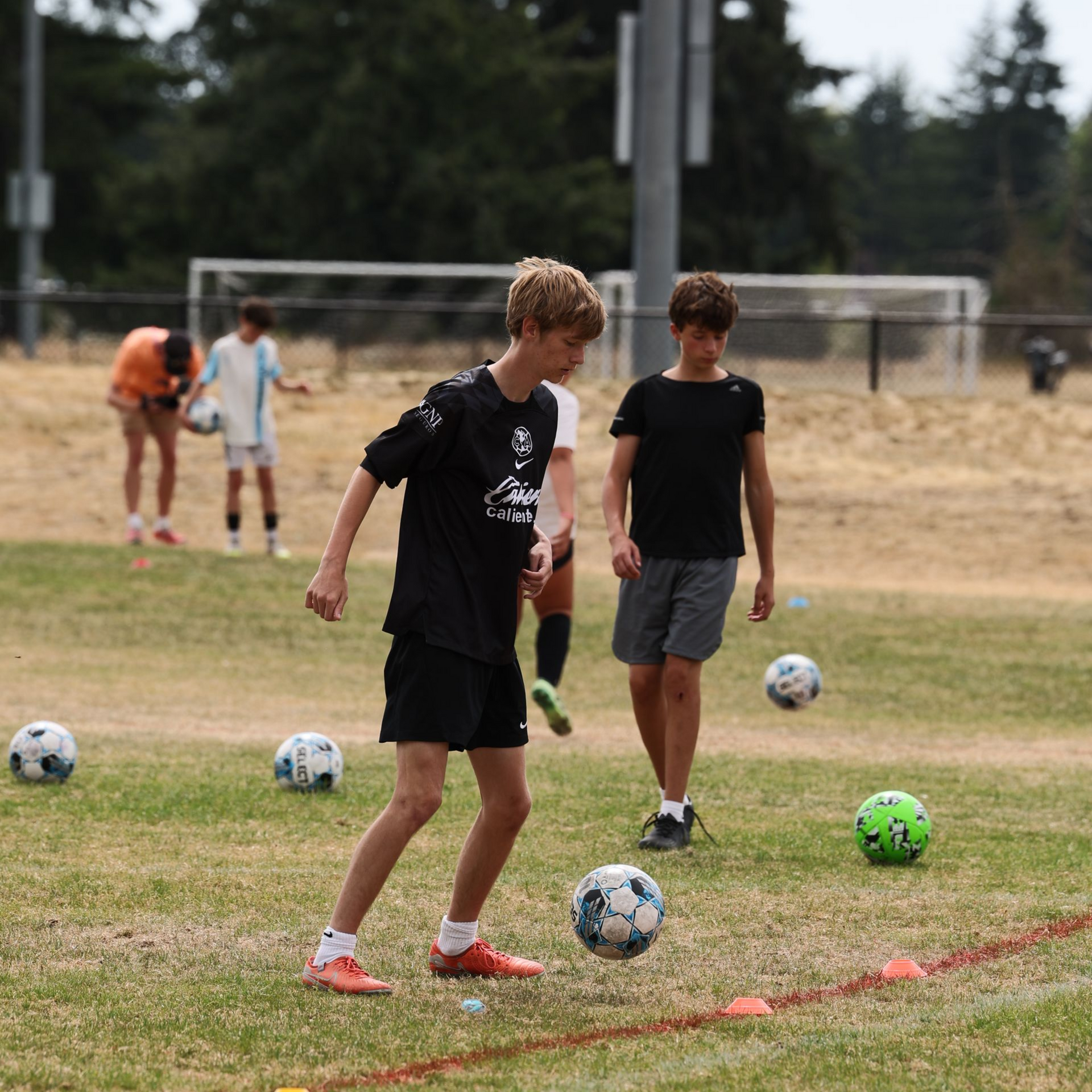
The Discipline of Practice: Training Like Paul’s Race of Faith
“Don’t you know that the runners in a stadium all race, but only one receives the prize? Run in such a way to win the prize. Now everyone who competes exercises self-control in everything. They do it to receive a perishable crown, but we an imperishable crown.” — 1 Corinthians 9:24–25
Athletic greatness is not achieved overnight. It comes from hours of disciplined practice, consistent training, and a mindset determined to endure. For young Christian athletes, this reality mirrors Paul’s teaching about the race of faith. The pursuit of excellence in sports should not only refine physical ability but also strengthen faith, shape character, and point others to Christ. By blending athletic discipline with spiritual discipline, young athletes can train in a way that
glorifies God and prepares them for both competition and life.
Embracing a Purpose-Driven Mindset
Purpose shapes perseverance. When athletes know why they compete, they gain clarity and direction. Colossians 3:23 reminds us, “Whatever you do, do it from the heart, as something done for the Lord and not for people.” Sports are not just about winning medals—they are about using God-given gifts to honor Him.
Young athletes often feel the pressure of expectations from parents, coaches, or peers. But Scripture redirects that focus: it’s not the crowd’s approval that matters, but God’s. Competing with a purpose-driven mindset allows athletes to find joy in every effort, knowing their ultimate goal is faithfulness, not fame.
Practical steps for embracing this mindset include beginning each practice with prayer, writing a personal mission statement rooted in Scripture, and reflecting after games on how actions honored Christ. These habits build consistency in keeping God at the center.
Building Discipline Through Consistent Training
Discipline is the backbone of both athletics and discipleship. Hebrews 12:11 acknowledges, “No discipline seems enjoyable at the time, but painful. Later on, however, it yields the peaceful fruit of righteousness to those who have been trained by it.” Consistency in training, whether spiritual or physical, produces long-term growth.
For athletes, this means showing up to practice even when motivation is low, giving maximum effort during drills, and pursuing excellence with integrity. For disciples of Christ, this means daily prayer, regular time in Scripture, and consistent fellowship with other believers.
Parents and coaches can encourage this discipline by creating routines that balance both physical and spiritual training. When a young athlete learns to wake up early for practice and also rise early for devotionals, they cultivate habits that strengthen both
body and soul.
Nurturing Resilience Through Trials
Every athlete will face setbacks—losses, injuries, or slumps in performance. James 1:2–3 reminds us, “Consider it a great joy, my brothers and sisters, whenever you experience various trials, because you know that the testing of your faith produces endurance.” Trials in sports mirror the challenges of faith, both requiring resilience and trust in God’s sovereignty.
Resilience grows when athletes choose to see challenges as opportunities for growth rather than barriers. A sprained ankle becomes a chance to practice patience and perseverance. A tough loss becomes a moment to learn humility. Athletes who approach struggles with a biblical mindset develop strength that lasts beyond the season.
Practical tools include journaling lessons learned from setbacks, memorizing verses about endurance, and talking with mentors who can provide encouragement rooted in faith.
The Role of Coaches as Spiritual Mentors
A coach’s influence extends far beyond strategy and skill development. Titus 2:7 says, “Make yourself an example of good works with integrity and dignity in your teaching.” Coaches who model integrity, humility, and Christlike love shape athletes in ways that last a lifetime.
Faith-based coaching integrates prayer, Scripture, and discipleship into the rhythm of sports. This might mean opening practices with a devotional, praying before games, or taking time to discuss how athletes can show Christ through their sportsmanship. Coaches who lead this way remind athletes that their identity is not tied to wins or losses but to who they are in Christ.
Strengthening Mental Toughness with God’s Word
Sports demand mental toughness—focus under pressure, confidence in competition, and composure in adversity. Scripture provides the ultimate source of this strength. Isaiah 40:31 promises, “But those who trust in the Lord will renew their strength; they will soar on wings like eagles; they will run and not become weary, they will walk and not faint.”
Athletes can strengthen their mental game by memorizing verses that provide courage in tense moments, reciting prayers before competitions, and meditating on Scripture during recovery periods. By rooting their mental focus in God’s Word, they develop confidence not in themselves but in Christ working through them.
Balancing Spiritual and Athletic Growth
Paul’s imagery of running the race highlights the importance of balance. 1 Timothy 4:8 reminds us, “For the training of the body has limited benefit, but godliness is beneficial in every way, since it holds promise for the present life and also for the life to come.” Athletic discipline is valuable, but spiritual growth has eternal impact.
Young athletes must learn to balance physical training with spiritual practices. A rigorous practice schedule should not crowd out time in God’s Word or fellowship. Likewise, spiritual maturity enhances athletic performance by providing peace, resilience, and perspective. When both areas grow together, athletes experience holistic development.
Athlete’s Heart Check
- Do I train with the goal of honoring God or just achieving success?
- Am I consistent in both my athletic routines and my spiritual disciplines?
- How do I respond to setbacks—do I grow in resilience or give in to frustration?
- Do I allow my identity in Christ to shape how I compete, win, or lose?
Running with Eternal Purpose
Athletic discipline and spiritual discipline go hand in hand. Like Paul, who compared faith to running a race, young Christian athletes are called to pursue endurance, resilience, and faithfulness. The discipline of practice in sports becomes a metaphor for life in Christ—a life marked by perseverance and purpose.
Philippians 3:14 captures this vision:
“I pursue as my goal the prize promised by God’s heavenly call in Christ Jesus.” The ultimate reward is not a medal or a trophy, but eternal life with Christ. When athletes train with this eternal perspective, their sports become more than competition—they become acts of worship.
Recent Articles